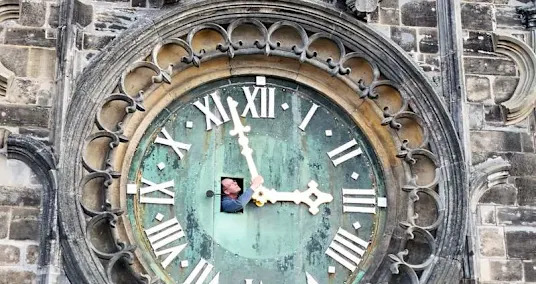
Clocks across the majority of European countries are set to go forward by one hour early on Sunday as the continent moves to daylight saving time, also known as summer time.
Clocks in most European nations including Germany advance by one hour at 2 am (0100 GMT) to 3 am, heralding longer evenings and brighter days.
This means that for the coming months parts of Europe will be on Central European Summer Time (CEST), before moving back to Central European Time (CET) in the autumn, when clocks go back again by an hour on October 25.
The aim of the change is to make better use of daylight in the shorter days of the winter in the northern hemisphere.
The signal for the automatic changeover of the clocks in Germany comes from the Federal Institute of Physics and Metrology (PTB) in the northern city of Braunschweig, also known as Brunswick in English.
The institute's experts ensure that radio-controlled clocks, station clocks and many industrial clocks are supplied with the signal via a long-wave transmitter called DCF77 in Mainflingen near Frankfurt.
latest_posts
- 1
 Global measles cases drop 71% in 24 years as vaccination coverage improves, WHO says
 - 2UK clothing inflation climbs as Middle East turmoil threatens wider price rises
- 3IDF bans Android phones for senior officers, iPhones now mandatory, Army Radio reports
- 4This Miraculous, Cliff-Perched Town In The South Of France Is A Sacred European Gem
- 5A definitive Manual for Picking Electric Vehicle: Decision in favor of Your Number one




- NASA set for first crewed moon return in over half a century
- Figure out How to Get the Most Familiar Drive for Seniors in SUVs
- Grasping Various Kinds of Local misdemeanors
- Israel’s mixed messaging on Christmas draws controversy
- Fuel Price Spike Drives Surge in Used EV Sales in Europe
- How stripping diversity, equity and inclusion from health care may make Americans sicker
- The most effective method to Arrange a Higher Medical caretaker Pay During Your Next New employee screening
- Top 15 Style Creators Changing the Business
- Investigation reveals sperm donor passed on cancer risk to dozens of children across Europe