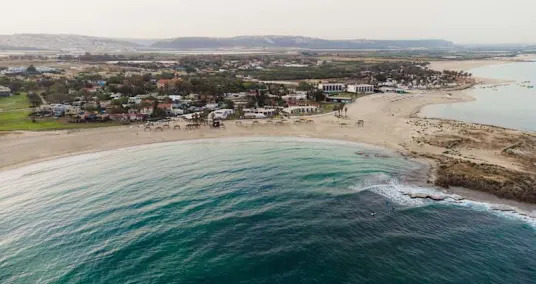
The discovery was made in an ancient shipwreck in the Dor Lagoon near the Carmel Coast, where archaeologists recovered nine pieces of unprocessed iron known as “blooms.”
Researchers from the University of Haifa said Wednesday that an underwater excavation off Israel’s northern Mediterranean coast uncovered what they described as the earliest known cargo of raw iron transported by ship, dating back around 2,600 years, Xinhua reported.
The discovery was made in an ancient shipwreck in the Dor Lagoon near the Carmel Coast, where archaeologists recovered nine pieces of unprocessed iron known as “blooms.” According to the university, the find provides direct evidence of how iron was transported in its earliest commercial stages.
The material was preserved in its original form, having solidified directly in a smelting furnace without undergoing forging or further refinement. Researchers said this distinguishes the cargo from later iron artifacts that typically show signs of shaping or tool-making.
Unlike copper and bronze, which could be melted into liquid form in ancient production processes, iron was heated with charcoal to produce a solid, porous mass. That mass was generally hammered to remove impurities and create denser material suitable for tools and implements.
The recovered blooms showed no indication of that secondary processing stage, suggesting they were transported immediately after production.

Earliest iron shipment discovered in ancient Mediterranean wreck
To determine the age and condition of the cargo, researchers conducted microscopic and chemical analyses.
Radiocarbon dating was also carried out on charred wood embedded in one of the pieces, helping confirm the timeline of the shipment. The findings were published in the journal Heritage Science.
Researchers said the cargo indicates that iron was being moved in raw form from production sites to other locations for further processing, pointing to a level of specialization in ancient manufacturing and trade networks in the Mediterranean.
The University of Haifa said the discovery provides new insight into early iron production and distribution practices in the region.
latest_posts
- 1
 Extreme Manual for Picking a Camper Van
 - 2Building Tough Connections: Individual Bits of knowledge on Association
- 3From a new flagship space telescope to lunar exploration, global cooperation – and competition – will make 2026 an exciting year for space
- 4Warnings rise for U.S. as severe flu strain causes outbreaks in Canada, U.K.
- 5Do-It-Yourself Home Style on a Careful spending plan: Imaginative Thoughts and Tasks


- Rick Steves Doesn't Want You Overlooking This Food Spot While In France
- California officials warn against foraging wild mushrooms after deadly poisoning outbreak
- A definitive Manual for Internet Mastering and Expertise Improvement
- What happened to Eleven after the ambiguous 'Stranger Things' series finale? Millie Bobby Brown knows — but 'swore herself to secrecy'
- Israeli strikes in Gaza kill 25 people, Hamas health authority says
- Spotify Wrapped and Apple Music Replay are here: Top songs, albums and artists of 2025
- Role reversal: Ukraine moves training home and exports the lessons abroad
- National health ranking puts Georgia near bottom of list. Here's why
- PFAS in pregnant women’s drinking water puts their babies at higher risk, study finds